Shopify & TikTok Shop Restock Logistics
FBA rules stop at the fulfillment center gate. The moment you sell on Shopify or TikTok as well, your restock cadence, packaging and inventory split all need a second plan — built in China, not improvised after arrival.
Multi-channel restock logistics means each production batch is deliberately split at our China hub: an FBA share prepped, labeled and appointment-delivered to Amazon; a DTC share cartoned for your 3PL or warehouse; optionally a China-direct parcel share dispatched straight to end customers. Small-batch, high-frequency sellers get reserved prep capacity and fixed sailing slots so a two-week restock cycle stays a two-week cycle.
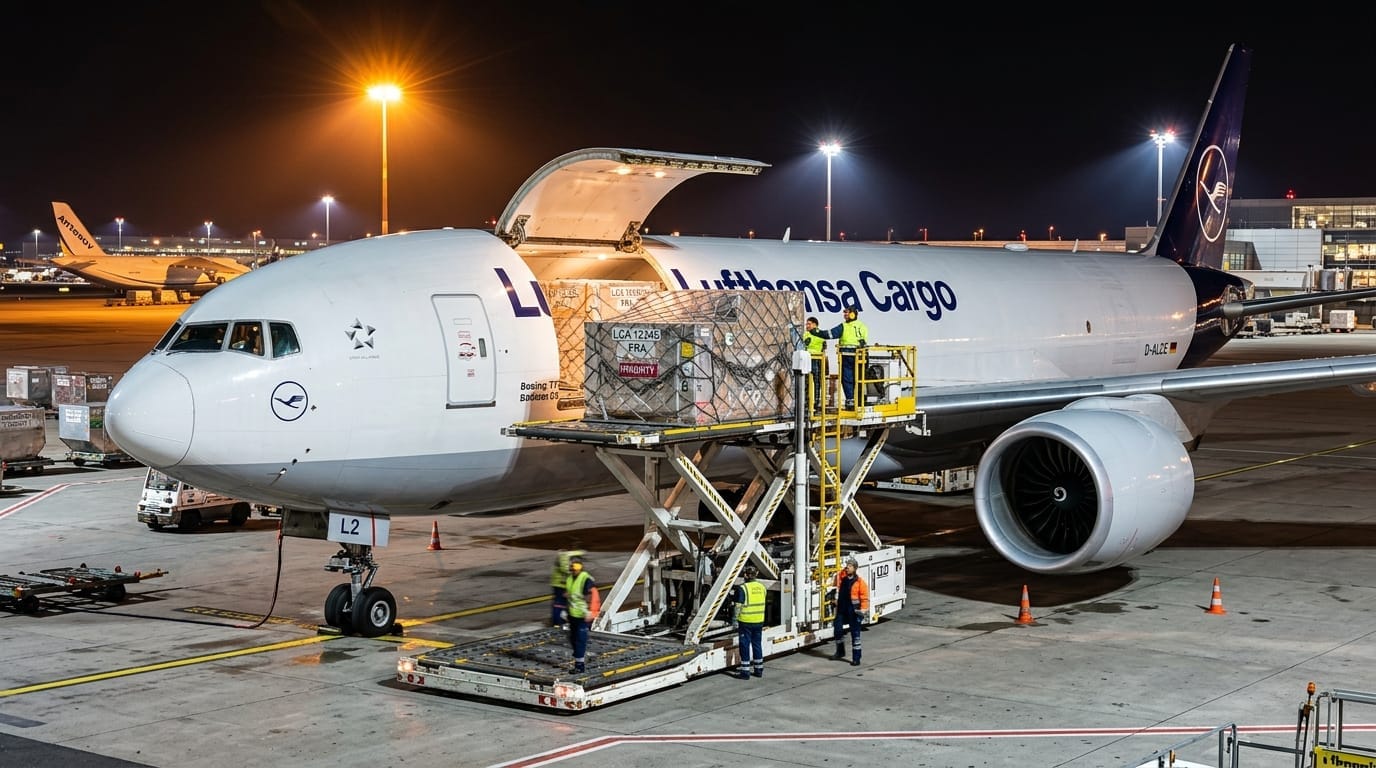
Where Each Share of Your Batch Should Go
The allocation is a planning decision made before production finishes — never a scramble at the warehouse.
| Channel Share | China-Side Work | Destination & Format | Best-Fit Situation |
|---|---|---|---|
| Amazon FBA share | Full prep: FNSKU labeling, polybag, carton IDs, palletizing. | Direct to FC under booked appointment. | Steady baseline velocity you never want to stock out. |
| DTC bulk share | Plain wholesale cartons, no Amazon labels, custom notes allowed. | Your 3PL or own warehouse, sea or air. | Shopify / TikTok orders fulfilled closer to the customer. |
| China-direct parcel share | Units stored at our Yiwu hub; daily parcel pick-pack dispatch. | Line-haul parcels straight to end customers. | New products under test, or long-tail SKUs with thin local demand. |
| Safety buffer | Held in China hub storage, ready to ship on trigger. | Whichever channel runs dry first. | Viral-prone TikTok SKUs where demand spikes are unhedgeable locally. |
Designing a Restock Cadence That Survives Reality
Start from sell-through, not from MOQ. The right batch size is your average daily sales times the days of cover you want, plus a demand-spike buffer — the supplier's minimum order quantity is a constraint to negotiate around, not a planning input.
Fix the schedule before you need it. High-frequency restockers live and die by sailing calendars. We anchor your plan to fixed weekly departures and reserve prep slots, so the cadence is a commitment with named dates, not a hope.
Mix modes deliberately. A common split is sea freight for the baseline batch and air express for the gap-stopper when velocity surprises you — paying air rates on everything destroys margin, while paying them on one small rescue batch protects it.
Review the split monthly. Channel demand drifts. An allocation that was right at launch is rarely right three months in, and adjusting it in China costs nothing compared to re-warehousing stock after arrival.
Planning References
For the full framework on splitting fulfillment between Amazon and your own channels, read FBA vs FBM logistics. For restock timing discipline, see the peak season timeline checklist.
Freight modes and indicative transits are detailed on air express and Matson sea freight.
Multi-Channel Restock FAQ
Can one production run feed both Amazon FBA and my Shopify store?
Yes, and it usually should. We split the batch at our China hub: the FBA share gets full prep, labeling and a carrier appointment, while the DTC share ships to your 3PL or warehouse as plain wholesale cartons — or stays in China for direct parcel fulfillment. One inspection report covers both allocations, saving a second QC cycle.
What does small-batch, high-frequency restocking change?
It shifts the priority from per-carton freight cost to cycle reliability. When you restock every two to four weeks, a single late sailing hurts twice as badly, so we plan around fixed sailing schedules, keep prep capacity reserved in advance, and mix channels — air for the gap-stopper batch, sea for the baseline volume.
Do you ship individual parcels from China to my customers?
For suitable products and destinations we consolidate your daily DTC orders into line-haul parcels dispatched from our Yiwu hub. Whether that beats fulfilling from a local warehouse depends on product value, weight and delivery expectations — we model both routes with real numbers before you commit a channel.
How do we decide between FBA-only and a split-channel setup?
The decision rests on three measurable factors: where your orders actually originate, how much sales velocity varies week to week, and whether your product's margin survives DTC fulfillment. We work the numbers with you per SKU — see our FBA vs FBM logistics breakdown for the full framework.
Get an Instant FBA Freight & Prep Quote
Tell us your carton dimensions and destination warehouse. We reply within 12 hours with transparent, itemized rates.
Last reviewed: September 2026 · Restock cadences, storage terms and parcel programs are quoted per client and per shipment — confirm before each cycle.